
The World’s Largest Native American Art Market
Santa Fe
Indian MARKET
AUGUST 15TH &16TH 2026
Thank you for Joining us for the 104th
Santa Fe Indian Market

already dreaming about the next SWAIA Event?
SWAIA Winter Market | November 28 - 29, 2026
SWAIA Native Fashion Week | May 5 - 9, 2027
105th Santa Fe Indian Market | August 21 - 22, 2027
ticketed events
-
Best of Show
FRI AUG 14th
Be in the room when the winning artists receive the news. Experience the art before it hits the Plaza.
-
Santa Fe Indian Market Gala
SAT AUG 15th
Come for an unforgettable evening at the SFIM Gala & Live Auction, leave a legacy supporting Native artists.
-
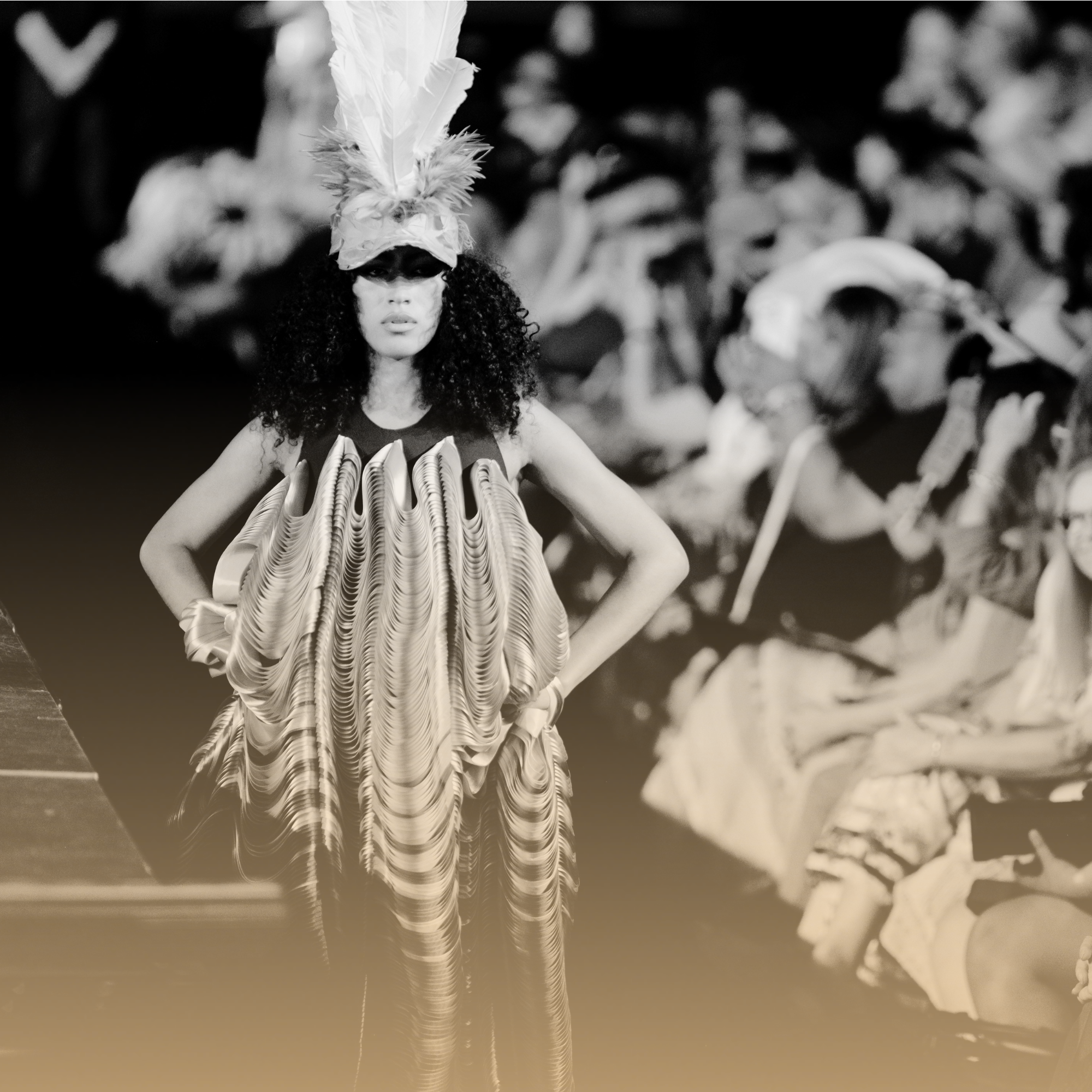
SWAIA Native Fashion Show
SUN AUG 16th
Six showstopping Native designers - 10 exclusive looks rock the runway at this do not miss event.
-
Get Indigenous Film Festival Events
AUG 14 & 15th
GIFF brings you important Native films and post screening Q&A. Be a part of the conversation.

The 104th Annual
SANTA FE INDIAN MARKET
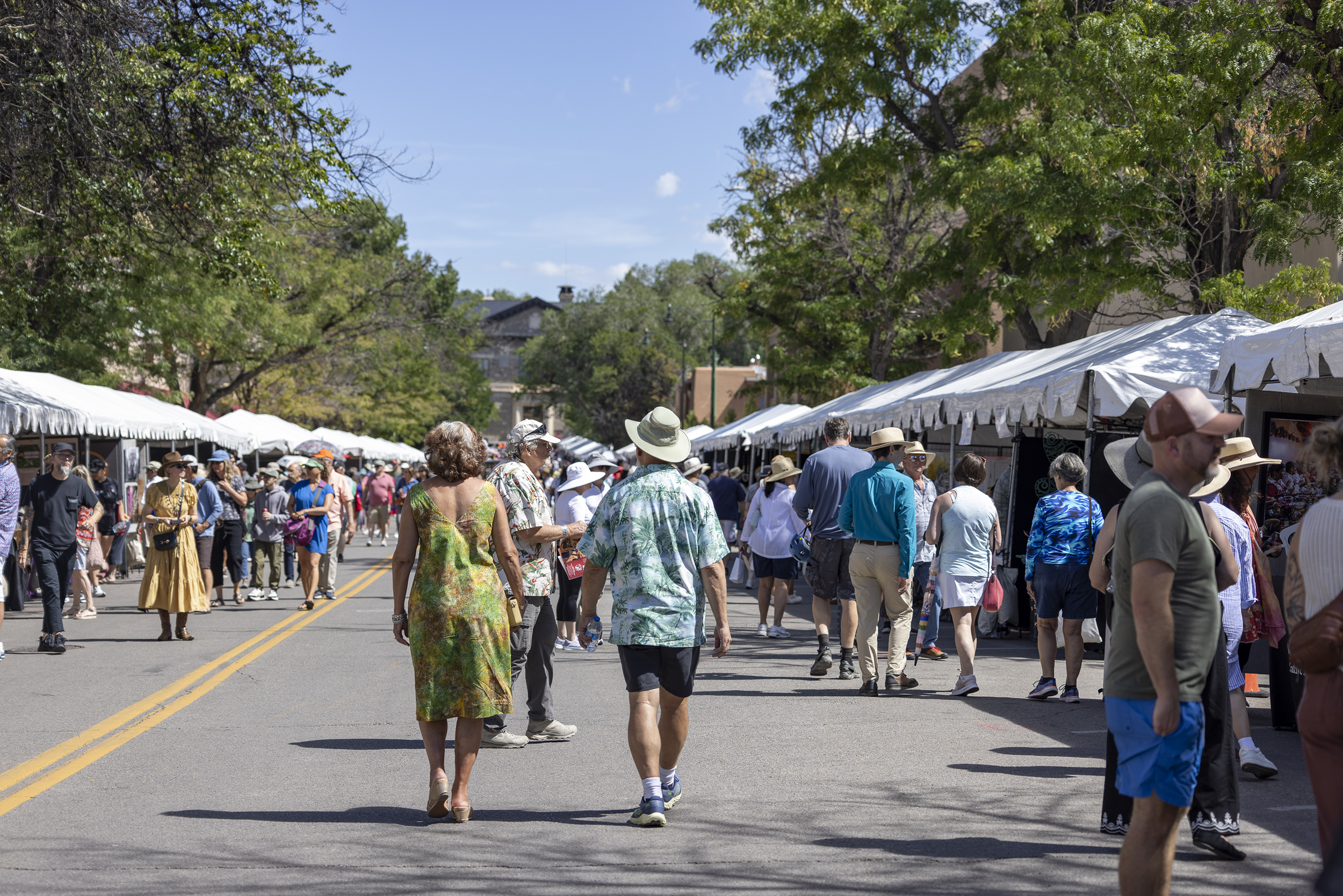
Now in its 104th year, the Santa Fe Indian Market (SFIM) is the largest and most prestigious Native art market in the world. Each August, nearly 1,000 Native artists from over 200 Tribal Nations transform the streets of Santa Fe into a vibrant celebration of creativity, community, and culture.
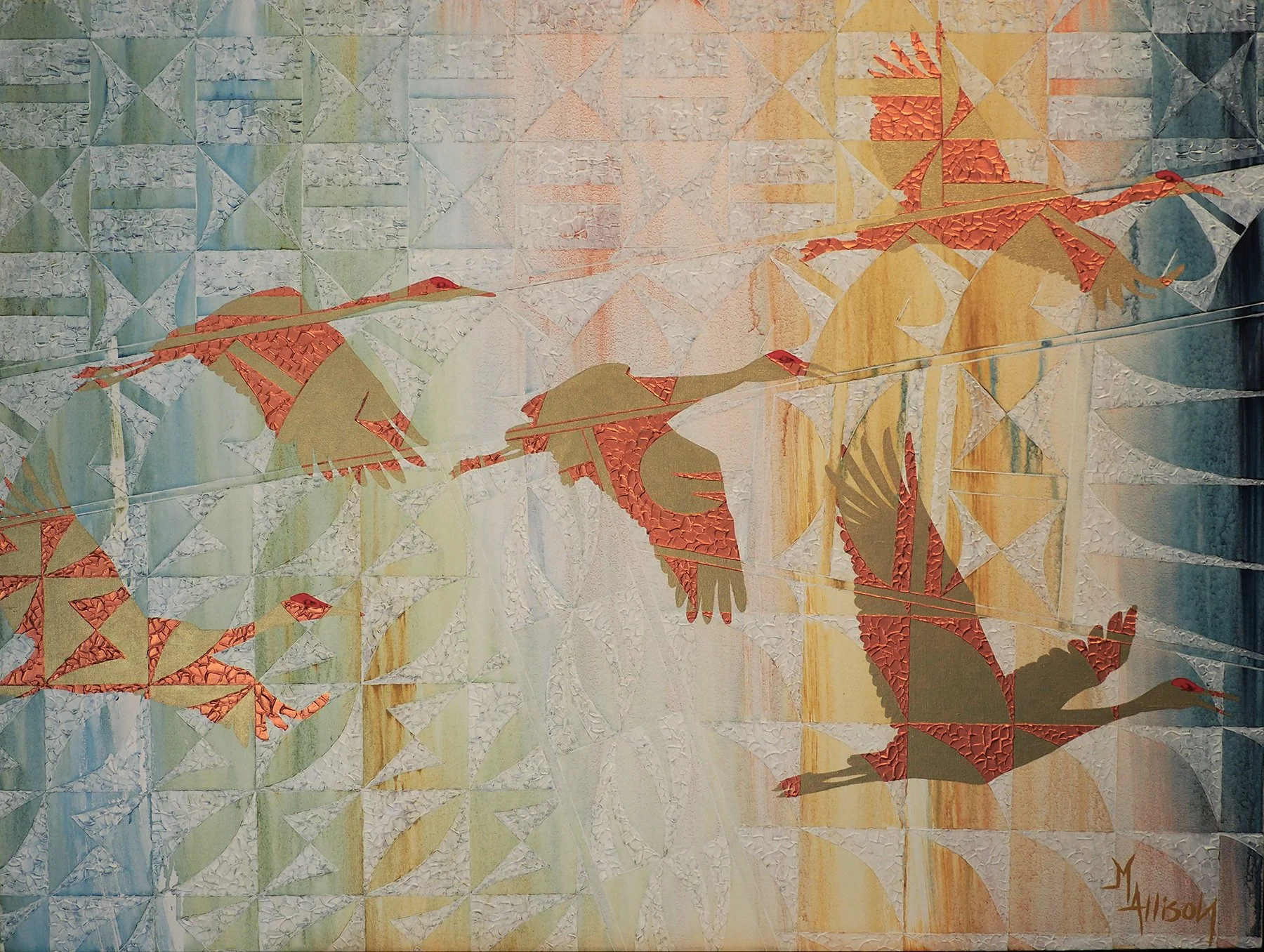
Visitors can explore original works in a wide range of mediums—jewelry, pottery, textiles, painting, sculpture, and more—while meeting the artists who make them. SFIM also features live performances, food vendors, cultural demonstrations, and family programming.
The art market is free and open to the public.
thursday, august 13
Get Indigenous Film Festival Opening Party - Invite Only
Sponsored by Museum of Indian Arts & Culture, Yuhaaviatam of San Manuel Nation, Cherokee Film and Institute of American Indian Arts
Friday, August 14
Best in Show Ceremony & Luncheon - TICKETED SOLD OUT
11:30AM - 2:00 PM
Santa Fe Community Convention Center Ballroom
Sponsored by Institute of American Indian Arts, JoAnn & Bob Balzer and the Indian Pueblo Cultural Center
Sacred Sites Protection, Then and Now Panel Discussion - FREE, TICKET REQUIRED SOLD OUT
1:00 PM - 2:30 PM
Museum of Indian Arts and Culture (MIAC) Auditorium
Presented by Muscogee (Creek) Nation
Best in Show Sneak Peek (Members only) - TICKETED
2:00 PM - 4:00 PM
Santa Fe Community Convention Center Ballroom
Get Indigenous Film Festival (GIFF) Featured Documentary Maara’yam: The Yuhaaviatam Story - FREE, TICKET REQUIRED SOLD OUT
3:00 PM - 5:30 PM
New Mexico History Museum Auditorium
Presented by Yuhaaviatam of San Manuel Nation
Best in Show General Preview - TICKETED
4:30 PM - 6:00 PM
Santa Fe Community Convention Center Ballroom
Get Indigenous Film Festival (GIFF) Featured Film You’re No Indian followed by Q&A - FREE, TICKET REQUIRED SOLD OUT
6:00 PM - 8:30 PM
New Mexico History Museum Auditorium
Tribal Leaders Dinner - INVITE ONLY
Sponsored by Muscogee (Creek) Nation, Coalition of Large Tribes (C.O.L.T.), Four Directions Native Vote-Indian Country, and Native American Rights Fund
Sacred Places 2026
5:30 PM - 9:30 PM
Museum of Indian Arts & Culture
Presented by Artists for Hickory Ground
Saturday, August 15
Santa Fe Indian Market Day 1 - FREE AND OPEN TO THE PUBLIC
8:00AM - 5:00 PM
Historic downtown Santa Fe
Get Indigenous Film Festival (GIFF) IAIA Brunch & Filmmakers Panel - FREE, TICKET REQUIRED SOLD OUT
11:00AM - 1:00 PM
Museum of Contemporary Native Arts (MOCNA)
Presented by IAIA with supporting sponsor Yuhaaviatam of San Manuel Nation
Get Indigenous Film Festival (GIFF) Short Film Screenings - FREE, TICKET REQUIRED SOLD OUT
3:00PM - 5:00 PM
New Mexico History Museum Auditorium
Santa Fe Indian Market Gala & Live Auction - TICKETED SOLD OUT
5:00PM - 9:00 PM
Santa Fe Community Convention Center
Sponsorted Yuhaaviatam of San Manuel Nation
Sunday, August 16
Santa Fe Indian Market Day 2 - FREE AND OPEN TO THE PUBLIC
8:00AM - 5:00 PM
Historic downtown Santa Fe
Native American Regalia Showcase - FREE AND OPEN TO THE PUBLIC
9:00AM - 11:00 AM, ONLINE APPLICATIONS NOW CLOSED - THERE WILL BE LIMITED SPOTS IN PERSON SUNDAY MORNING AT THE PLAZE STAGE
Plaza Stage
Sponsored by New Mexico Department of Tourism
Get Indigenous Film Festival (GIFF) Featured Film You’re No Indian - Second Screening SOLD OUT
11:00 AM - 1:00 PM, Free, ticket required
New Mexico History Museum Auditorium
SWAIA Native Fashion Show - VIP 1st & 2nd ROW TICKETHOLDERS SOLD OUT
1:30 PM - 3:00 PM
Santa Fe Community Convention Center
SWAIA Native Fashion Show - TICKETED SOLD OUT
3:00 PM - 5:00 PM
Santa Fe Community Convention Center Ballroom
Sponsored by Van Mabee & New Mexico Department of Tourism with supporting sponsor Inatai Foundation
Plaza Stage Schedule
Saturday, AUG 15th
8:00 AM Morning Blessing
9:00 AM Randy Kemp
10:00 AM Tony Duncan Performance
11:00 AM Charly Lowry Performance
Noon Four Directions, Native American Right Fund, & Coalition of Large Tribes Panel: Strengthening Democracy in Indian Country
1:00 Gary Farmer and the Troublemakers Performance
2:00 PM Chickasaw Nation Productions: Preserving the Past, Creating the Future
3:00 PM Scotti Clifford Performance
4:00 PM Larry Yazzie Performance
Sunday, AUG 16th
9:00 AM Native American Regalia Showcase
11:00 AM Coalition of Large Tribes, Native American Right Fund, & Muscogee (Creek) Nation Panel: Repatriation and Sacred Site Stewardship
Noon Anpo and One Generation Fund Panel: Indigenous Sovereignty in the Age of AI
1:00 PM The Indian Arts and Crafts Board Panel: Promoting and Protecting Authentic American Indian Art and Artists
2:00 PM Lightning Boy Foundation Performance
3:00 PM Jir Anderson Performance
4:00 PM Closing Prayer
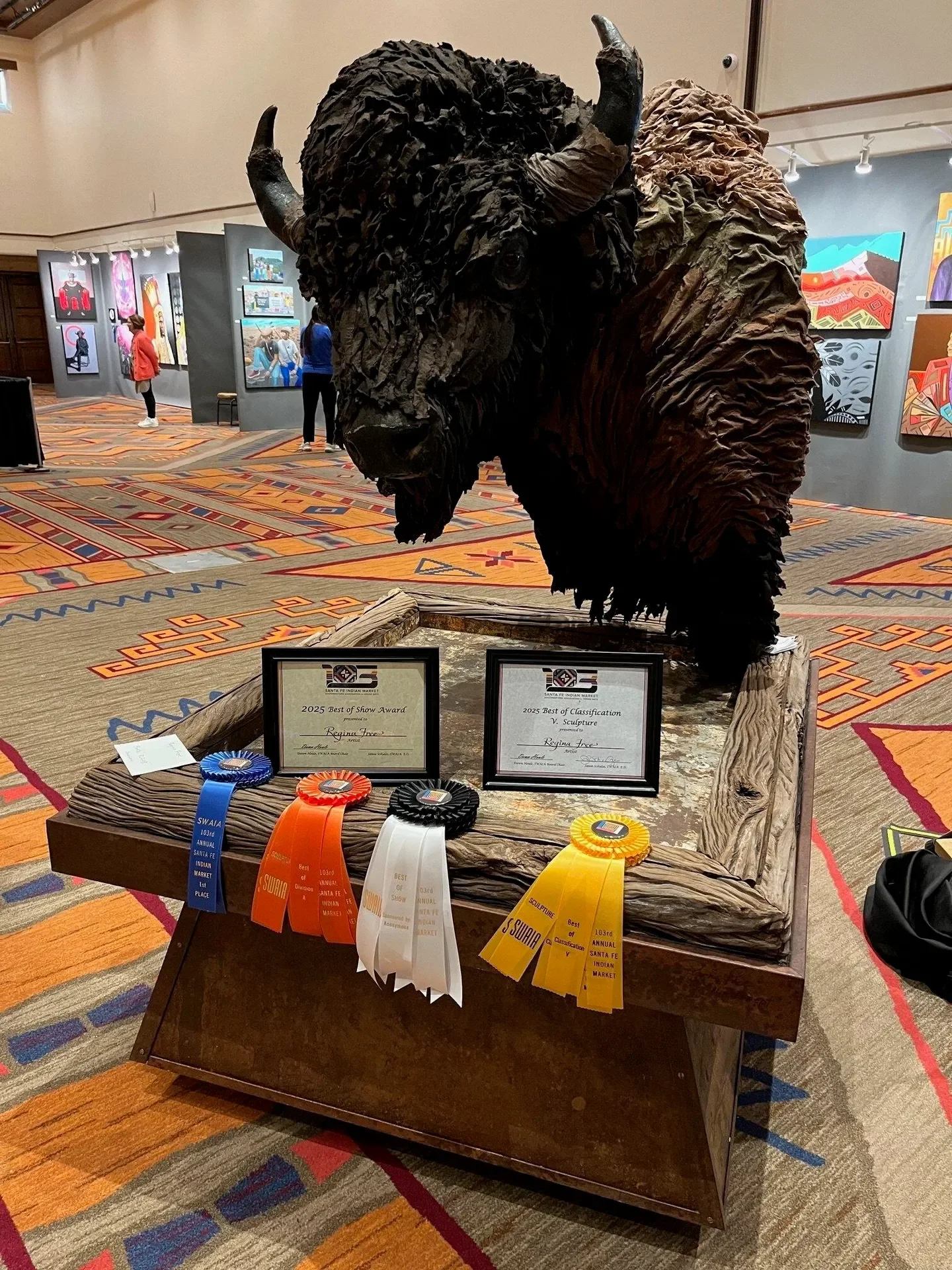
Windswept by Regina Free (Chickasaw Nation), 2025 Best of Show Winner
SWAIA Is where the world meets tHE Top Native artists.
Each year, Santa Fe Indian Market brings together more than 1,000 of the most celebrated and emerging Indigenous artists from over 200 Tribal Nations. Held each August in downtown Santa Fe and produced by the Southwestern Association for Indian Arts (SWAIA), Indian Market is the largest and most prestigious Indigenous art event in the world—welcoming tens of thousands of visitors for a weekend of fine art, fashion, film, and cultural exchange.
A cornerstone of the weekend is the Best of Show program, which honors outstanding achievement in juried categories ranging from pottery and jewelry to textiles, painting, and sculpture.
The top prize—Best of Show—is proudly sponsored by Mark Sublette of Medicine Man Gallery.
2026 SANTA FE INDIAN MARKET SPONSORS & PARTNERS


Native American Art Magazine is the Official Magazine of the 104th Santa Fe Indian MarketHutton Broadcasting is the Official Booth Map & Artist Listing of the 104th Santa Fe Indian Market
SWAIA's official shipping partner for the 104th Santa Fe Indian MarketA brief History of the SANTA FE INDIAN MARKET
The story of Santa Fe Indian Market traces back to a larger cultural movement to introduce Native art to broader audiences. At the 1915 Panama-California Exposition in San Diego (commonly known as the San Diego World’s Fair), Pueblo potters like Maria and Julian Martinez participated in high-profile demonstrations that modeled what would become early institutional approaches to Indigenous art presentation—structured, curated environments designed by anthropologists and cultural organizations.
In 1922, the Museum of New Mexico and the School of American Research (now the School for Advanced Research) organized the first Southwest Indian Art Fair and Industrial Arts and Crafts Exposition in Santa Fe. These early fairs helped elevate public interest in Native arts, but artists had limited control. Work was submitted by traders, judged by non-Native experts, and sold without direct artist involvement. Pricing and interpretation were handled externally, with Native artists themselves largely absent from the conversation.
That changed in 1931, when the final Indian Fair was held under the portal of the Palace of the Governors. For the first time, Native artists were invited to sell their work directly to the public—marking a pivotal shift toward artist agency. This moment predated the Indian Reorganization Act (IRA) of 1934, a landmark federal policy that supported tribal self-governance and greater economic self-determination, including the right to form tribal businesses and manage creative production. While the IRA laid important legal groundwork, Indian Market had already modeled what a Native artist-led marketplace could look like—visionary in both concept and execution.
The legacy of those early decades continues today. What began as a curated exhibition has become a dynamic, artist-centered marketplace that positions Native artists not as subjects of interpretation, but as leaders, entrepreneurs, and cultural innovators.
Indian Market continues to lead—not just as a historic institution, but as a living model for the future of the fine art world.

get involved
Event Information
-
Santa Fe Indian Market (SFIM) is the largest and most prestigious Indigenous art market in the world. Presented by the Southwestern Association for Indian Arts (SWAIA), #SFIM26 will take place August 15th-16th in the heart of downtown Santa Fe, New Mexico.
Now in its 104th year, SFIM brings together over 1,000 Native artists representing more than 200 Tribal Nations from across the U.S. and Canada. Experience a dynamic weekend of fine art, fashion, film, performances, and community celebration, all grounded in tradition and culture.
Whether you're a first-time visitor or a seasoned collector, SFIM offers an unforgettable opportunity to connect directly with Native artists and purchase work that is handmade, authentic, and deeply meaningful.
-
Here’s what to know as you plan your SFIM experience:
Location: Historic Downtown Santa Fe Plaza
Hours: 8:00 AM – 5:00 PM (Saturday & Sunday)
Admission: Free and open to the public for the outdoor marketAdditional Programming:
SWAIA offers a range of ticketed events throughout Indian Market weekend, including Best of Show, the SWAIA Native Fashion Show, the SWAIA Gala, and more. Advance purchase is recommended. Tickets coming soon!Parking & Transit: Public parking garages are available within walking distance. Consider using a shuttle provided by your hotel or local ride share services due to potential road closures and limited street access.
Insider Tip: Arrive early to beat the crowds and meet artists before inventory sells out. Comfortable shoes and sun protection are highly recommended for a full day on the Plaza.
faq
Don’t see your question answered here?
Check out our FAQ Page or Contact Us
-
The Santa Fe Indian Market is an annual event showcasing Native American art, culture, and heritage. It features works from Native artists across North America.
-
Our market is held on the third week of every August in Santa Fe, New Mexico.
The 2026 Santa Fe Indian Market will take place in Santa Fe, New Mexico on August 15-16, 2026.
UPCOMING
August 21-22, 2027
August 19-20, 2028
-
Yes, the market includes a variety of activities such as live performances, fashion shows, cultural demonstrations, and opportunities to meet the artists.
-
Absolutely! The Santa Fe Indian Market is a family-friendly event with activities and exhibits that are enjoyable and enriching for all ages.
-
Yes, visitors have the unique opportunity to purchase art directly from the artists, allowing for personal connections and understanding of the artwork's cultural significance.
-
The market features a wide range of art forms including pottery, jewelry, textiles, paintings, sculptures, and more, all created by Native American artists.
-
Check out our Altitude Tips from the SWAIA Team to help you prepare for your visit.
Please Note: This information is not medical advice. Please consult your healthcare provider for personal recommendations. Always call 911 in case of a medical emergency. -
Please visit our Media Contact page for more information.
-
Applications have closed for 2025, please check back for 2026 application period announcements.
-
The application period for the SFIM25 runway closed April 11th, 2025.
Designers interested in participating in future fashion events can view our official application form.
The application process includes submitting previous work, design concepts, and information about your cultural and artistic background. -
Consider becoming a member or making a donation.